LOCATION: USA – NORTH CAROLINA – JACKSONVILLE
LOCATION TYPE: HOUSE – MUSEUM
STRANGE TYPE: HAUNTING
PHENOMENA: PHANTOM FOOTSTEPS – MOVING OBJECTS
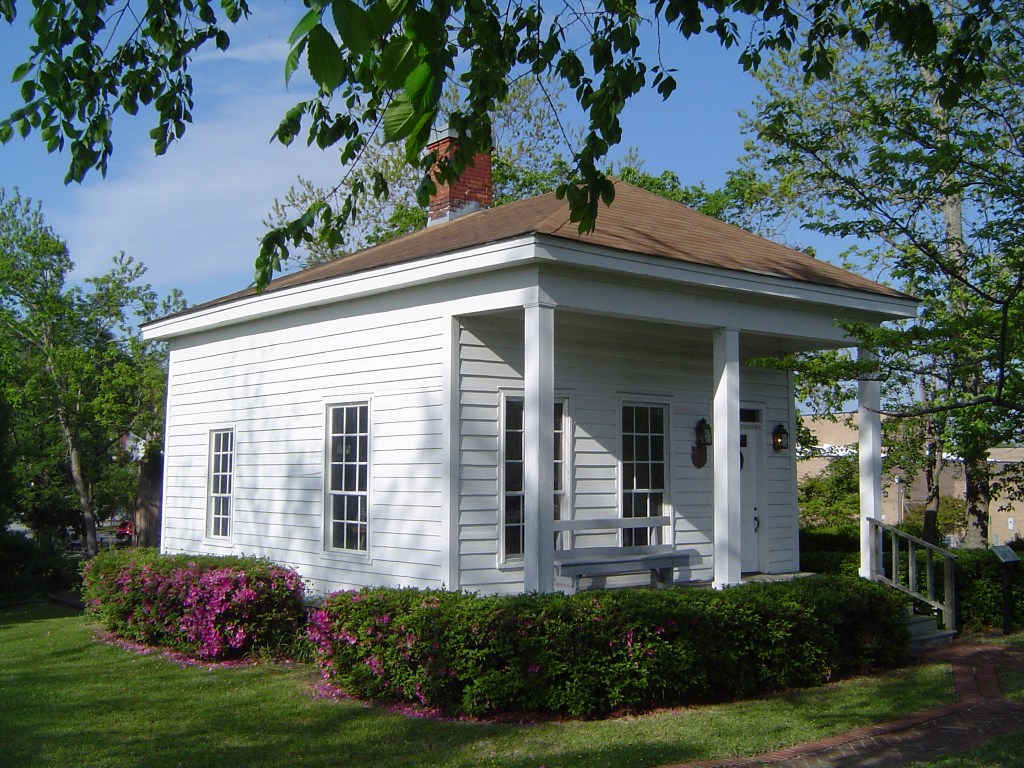
Through the thick summer air of coastal North Carolina, the Pelletier House rises like a sentinel of the past. Its weathered white facade and graceful Greek Revival columns stand in stark contrast to Jacksonville’s modern sprawl, whispering tales of a bygone era. Built circa 1850, this antebellum mansion doesn’t just preserve history within its walls – according to countless witnesses, it preserves something far more mysterious: the spirits of those who once called it home.

The Last Standing Witness
As Jacksonville’s sole surviving antebellum structure, the Pelletier House bears silent testimony to the city’s transformation from a quiet riverside settlement to a bustling military town. Its rooms, with their high ceilings and original heart pine floors, have absorbed nearly two centuries of history. Rufus Ferrand Pelletier, the house’s first owner, was more than just Jacksonville’s postmaster – he was a visionary who helped shape the young town’s identity through his merchant endeavors and civic leadership.
The front parlor, where Rufus once sorted mail and performed wedding ceremonies as magistrate, still maintains its original configuration. Modern visitors often report an overwhelming sense of stepping back in time when crossing its threshold, as if the very air holds memories of those long-departed days. The sweet, distinct aroma of aged wood mingles with an inexplicable scent that some describe as reminiscent of old letters and ink – perhaps a lingering trace of the room’s postal past.
The Solitary Years of Miss Eliza
The most compelling presence in the Pelletier House belongs to Eliza Pelletier, whose solitary life and death within these walls left an indelible mark on the property’s spiritual landscape. As Jacksonville grew and changed around her, Eliza remained a constant fixture, maintaining her family’s legacy until her passing in 1954. The circumstances of her isolated later years have fueled decades of speculation about why her spirit might choose to remain.
Those who encounter Miss Eliza’s ghost describe a remarkably consistent experience. She appears most often in the late afternoon, when slanting sunlight filters through the wavy antique glass of the windows. Witnesses report seeing a tall, slender figure in Victorian dress, often near the grand staircase or in the upper hallway. Unlike many haunting tales, Eliza’s presence rarely inspires fear. Instead, visitors describe feeling a profound melancholy, as if sharing in her decades of solitude.
Supernatural Symphony
The paranormal activity within the Pelletier House extends beyond mere apparitions. The home seems to have developed its own peculiar personality, expressed through an array of unexplained phenomena. Staff members arriving early in the morning often find furniture slightly rearranged, as if the house’s spectral residents had been entertaining guests during the night.
The most active area appears to be the former music room, where the soft strains of a phantom piano occasionally drift through the air, though no instrument has been housed there for decades. The melody, according to those who have heard it, is always the same: a haunting waltz popular in the 1880s, played with the delicate touch of unseen hands.
Wantland Spring: A Supernatural Nexus
Perhaps the most intriguing aspect of the property’s haunted legacy centers around Wantland Spring, whose crystal-clear waters have flowed unceasingly since before the American Revolution. This natural spring, granted by King George II himself, seems to amplify the property’s supernatural energy. Visitors walking the grounds at dusk report disembodied voices carried on the evening breeze – snippets of conversation in antiquated English, children’s laughter, and the clip-clop of phantom horse hooves on long-vanished cobblestones.
Local paranormal investigators theorize that the spring’s constantly flowing water may act as a conductor for spiritual energy, creating a natural amplifier for supernatural phenomena. They point to numerous cultures worldwide that associate flowing water with spiritual activity, suggesting that Wantland Spring’s presence may explain the abundance of paranormal experiences on the property.
A Living Museum of the Supernatural
Today, the Pelletier House serves dual roles: a meticulously preserved historic site and what many consider a supernatural museum. The Onslow County Historical Society has embraced both aspects of the property’s legacy, offering historical tours that sometimes include unexpected paranormal encounters. Staff members have learned to coexist with their unseen residents, treating unexplained occurrences with respectful curiosity rather than fear.
Motion sensors installed for security regularly detect movement in empty rooms. Cameras occasionally capture orbs of light floating through darkened corridors. Even skeptical visitors have reported inexplicable cold spots that seem to follow them from room to room, as if being accompanied by an invisible tour guide.
Guardians of Memory
Whether viewed through the lens of history or the supernatural, the Pelletier House stands as more than just Jacksonville’s oldest building – it’s a bridge between worlds. Its spirits, if they exist, seem less like threatening presences and more like guardians, ensuring that their stories and the history they witnessed are never forgotten.
As twilight settles over Jacksonville each evening, the Pelletier House takes on a different character. Shadows lengthen across its wooden floors, and the barrier between past and present grows thin. Perhaps somewhere within its walls, Miss Eliza still maintains her vigil, watching over the home she loved so dearly in life and, if the stories are to be believed, continues to protect in death.

 ENCYCLOPEDIA STRANGE
Leave a comment